

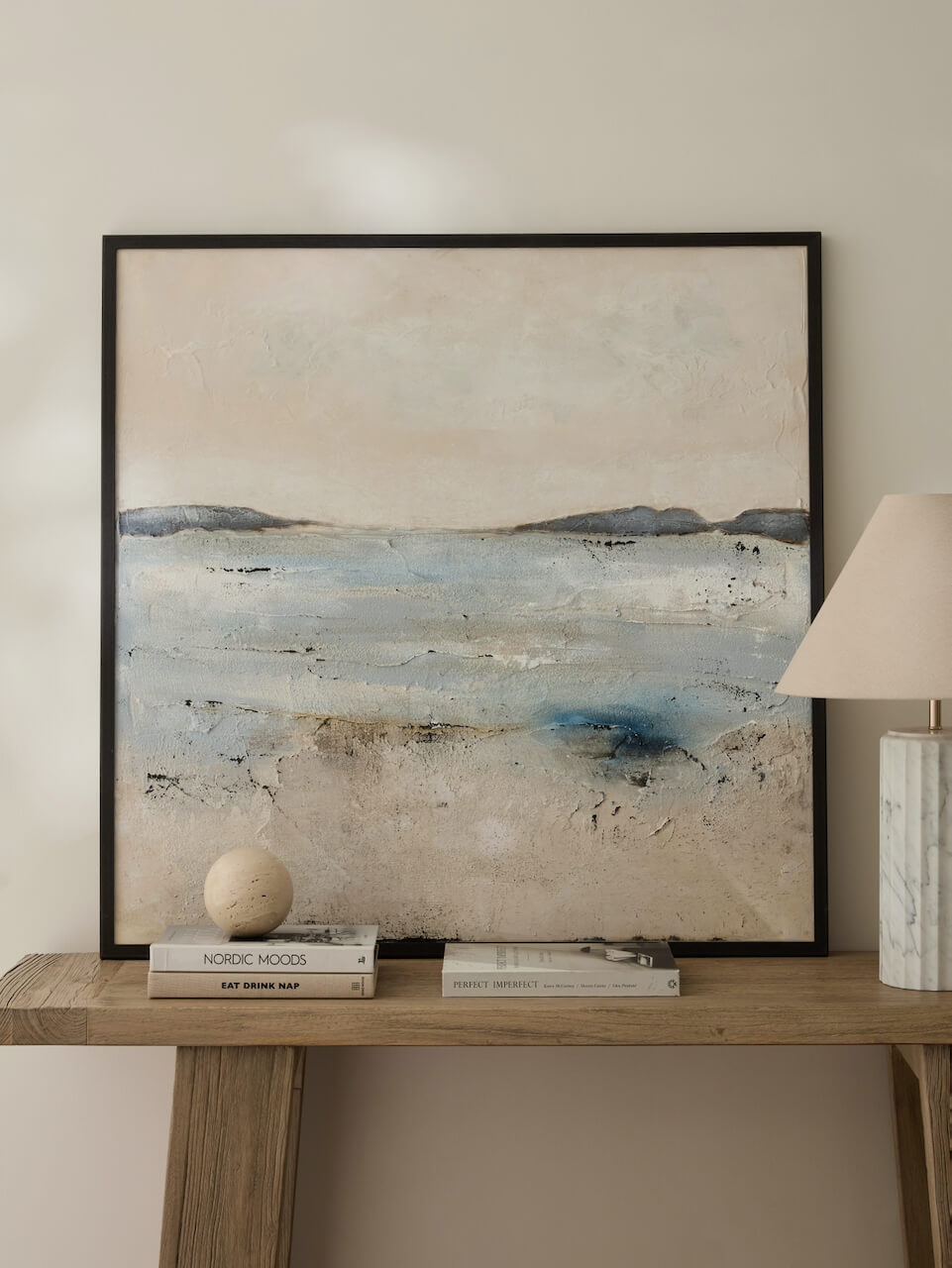
Lago Wall Art
Sale price£420.00
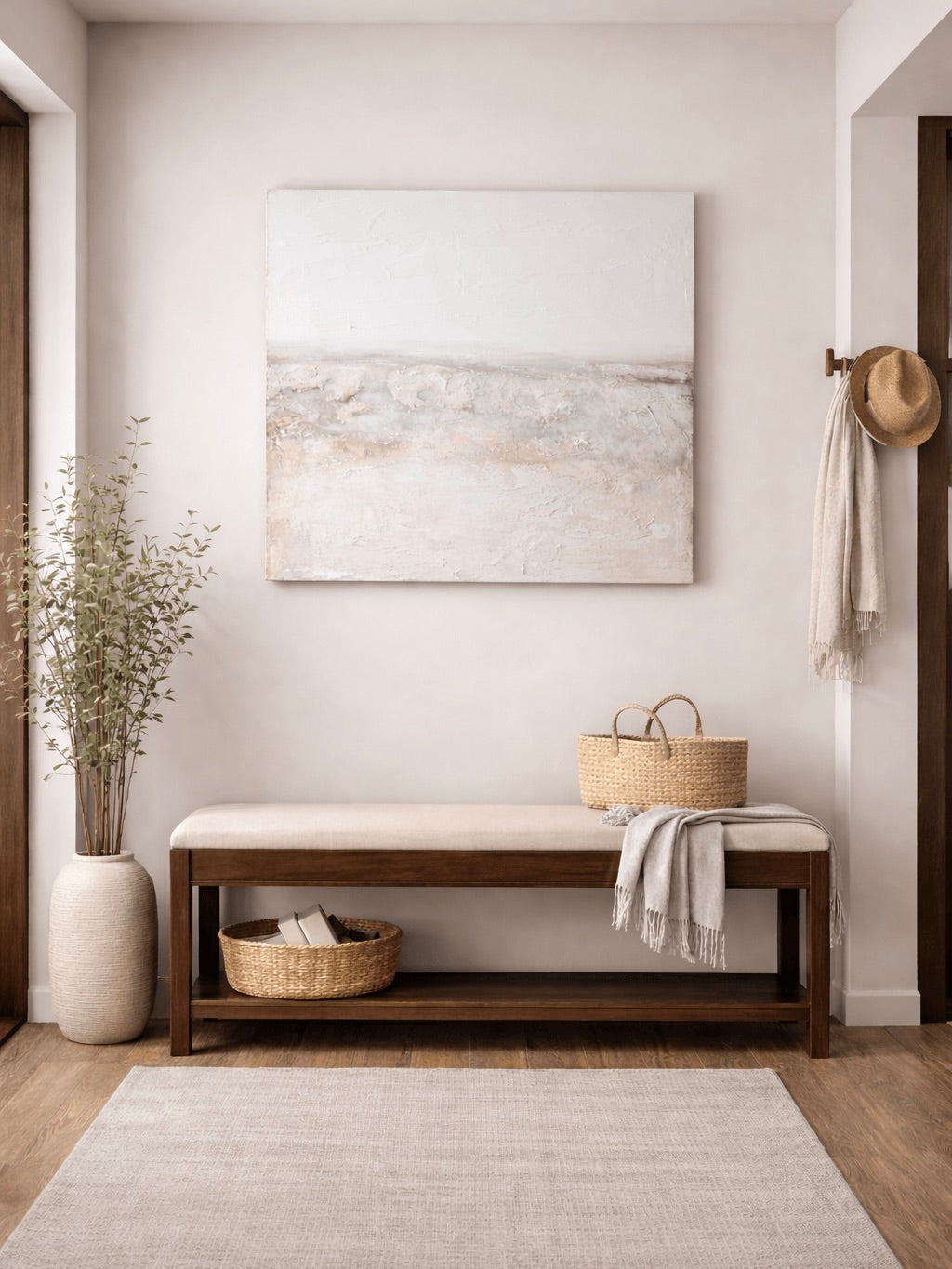

Neve Wall Art
Sale price£390.00
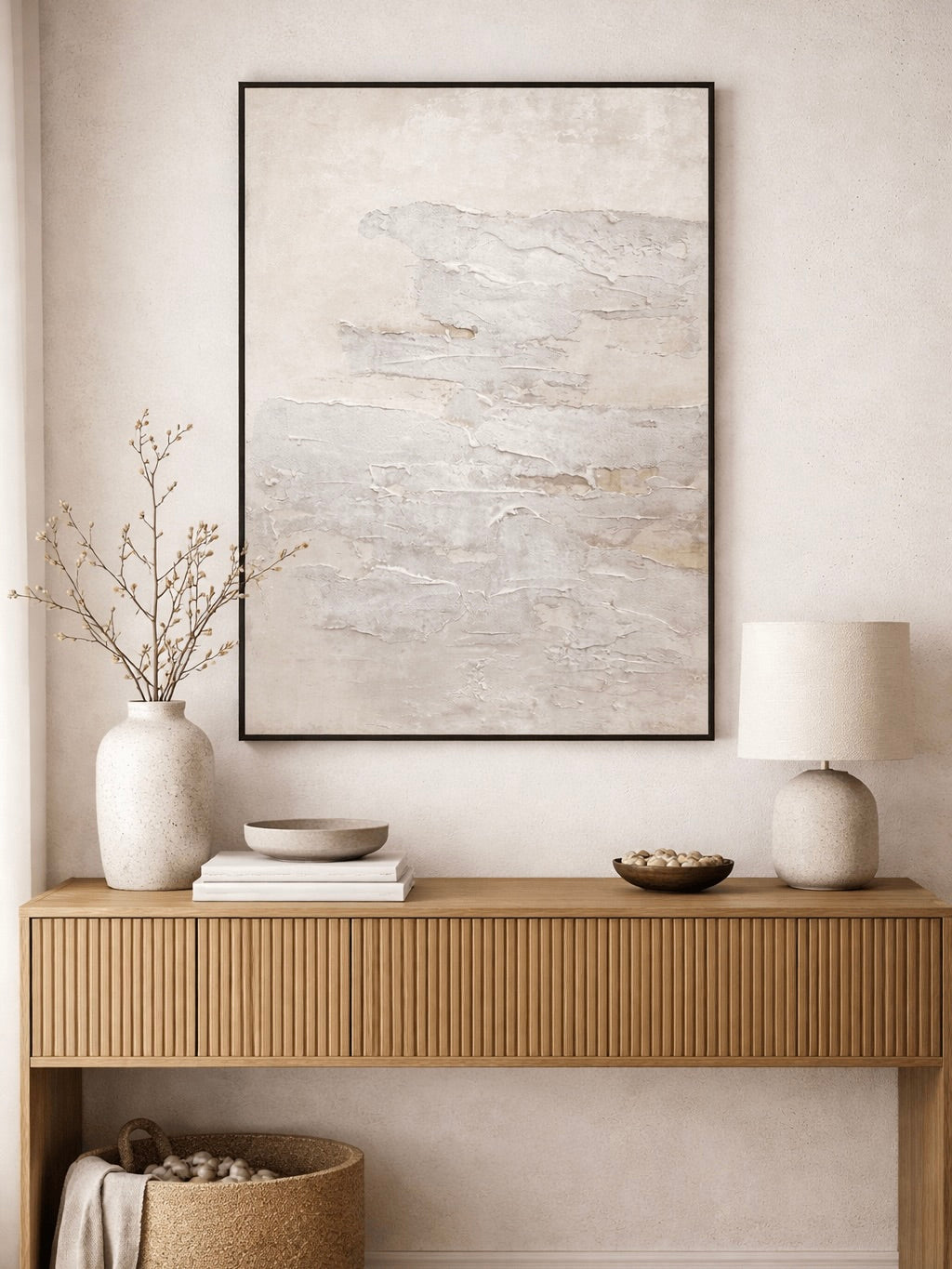
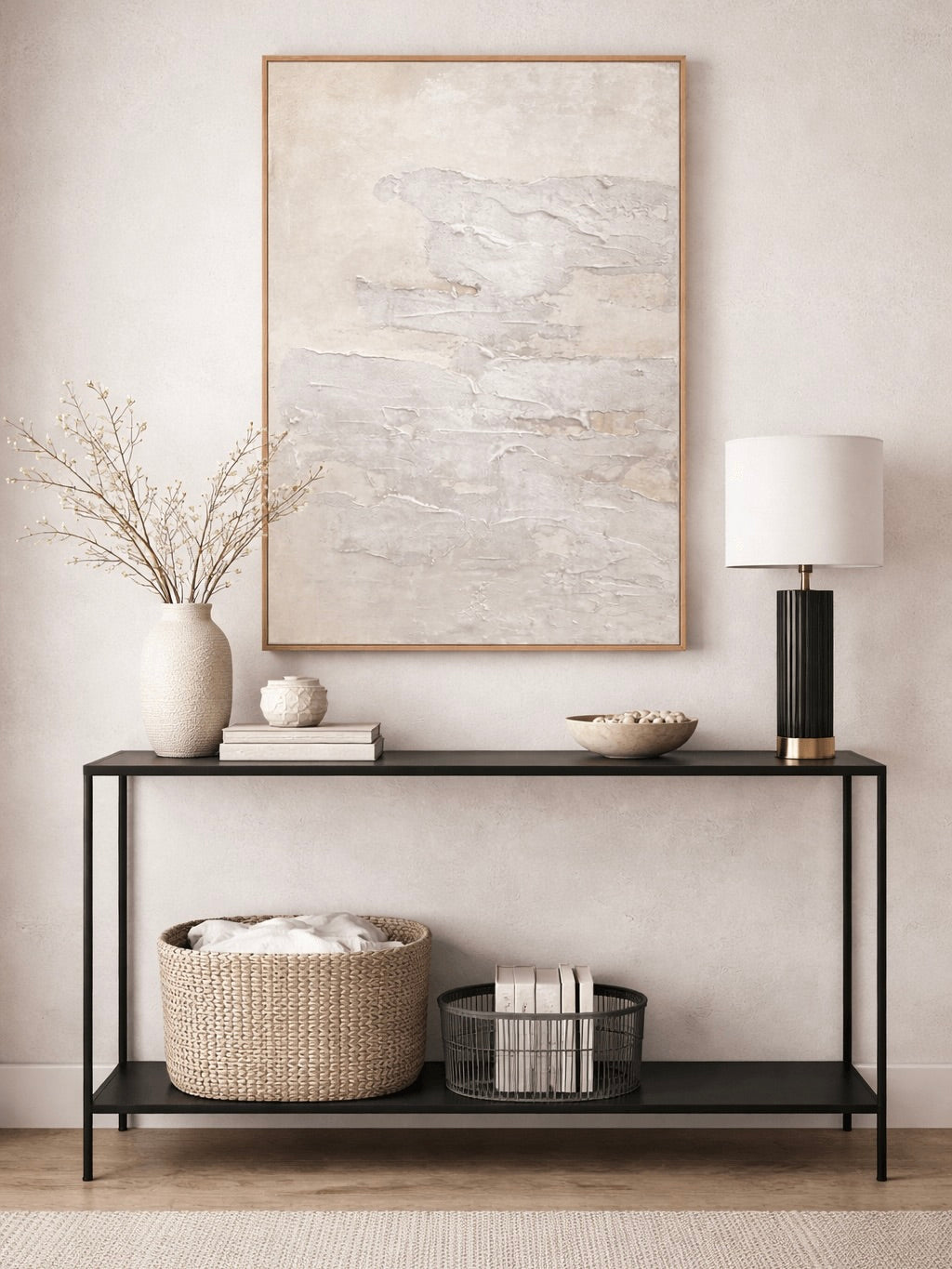
Areia Wall Art
Sale priceFrom £400.00


Floresta Wall Art
Sale price£395.00


Deseno Wall Art
Sale price£430.00
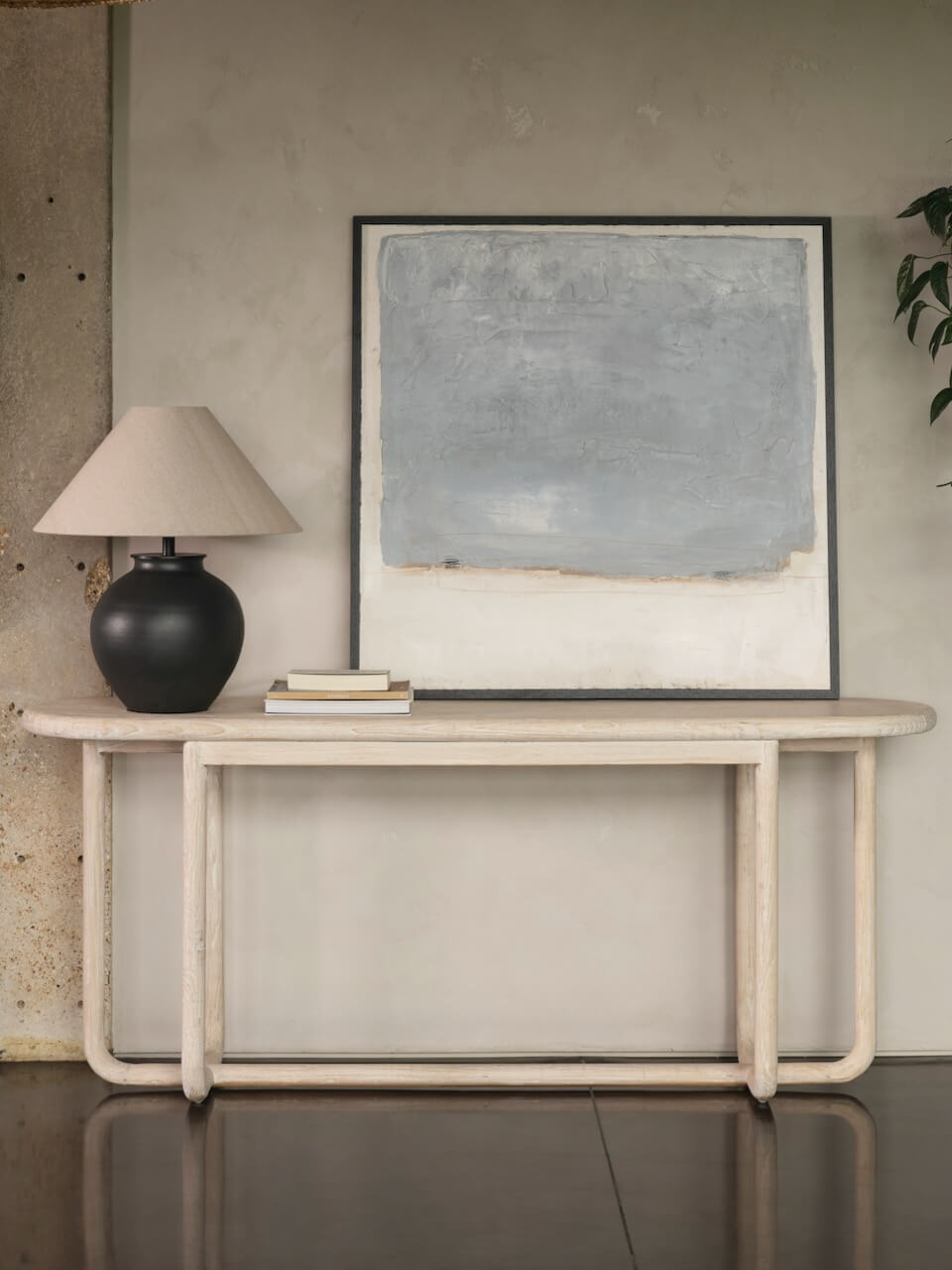

Janela Wall Art
Sale price£420.00
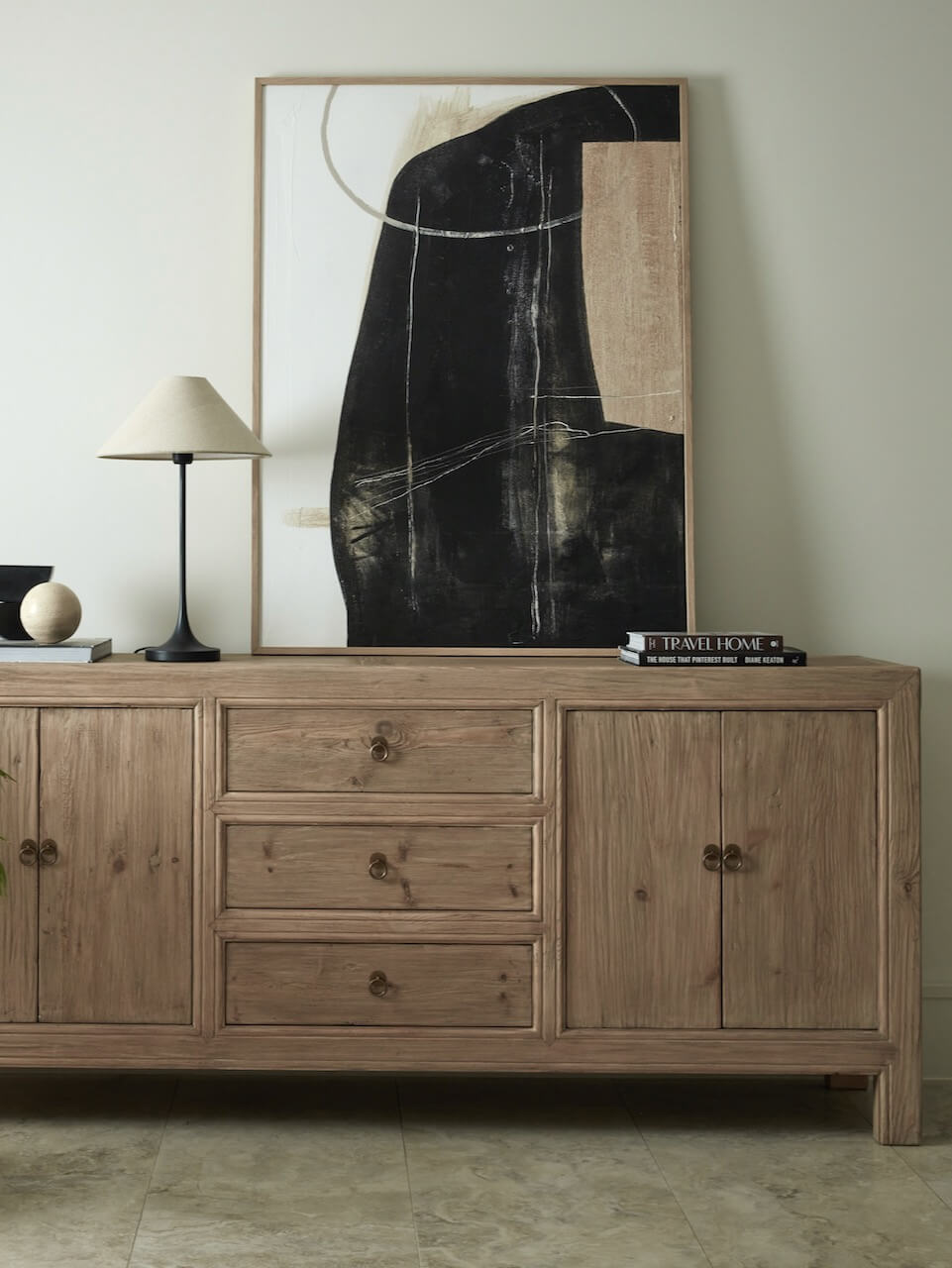
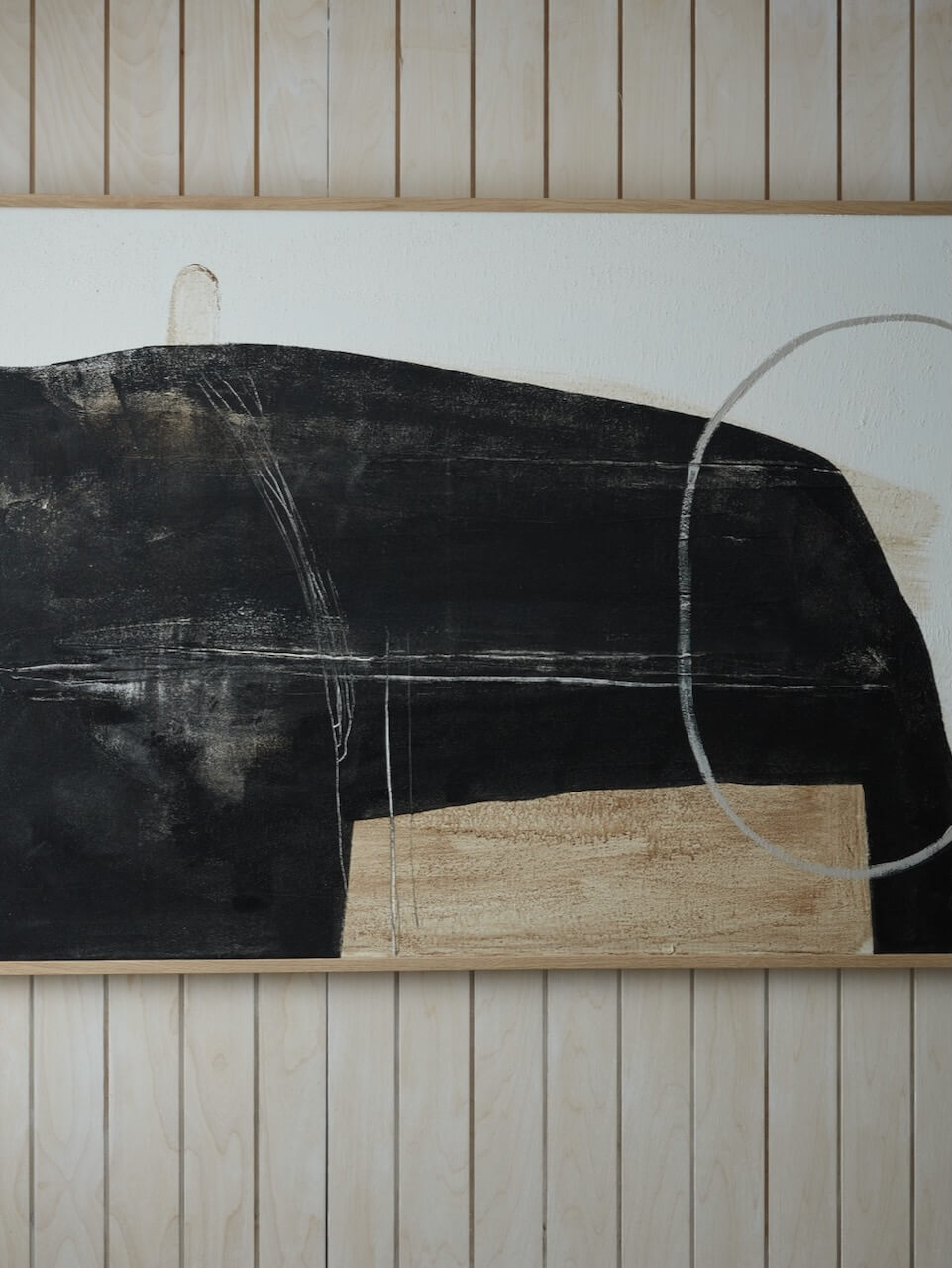
Pedra Wall Art
Sale price£430.00


Nevoa Wall Art
Sale priceFrom £395.00

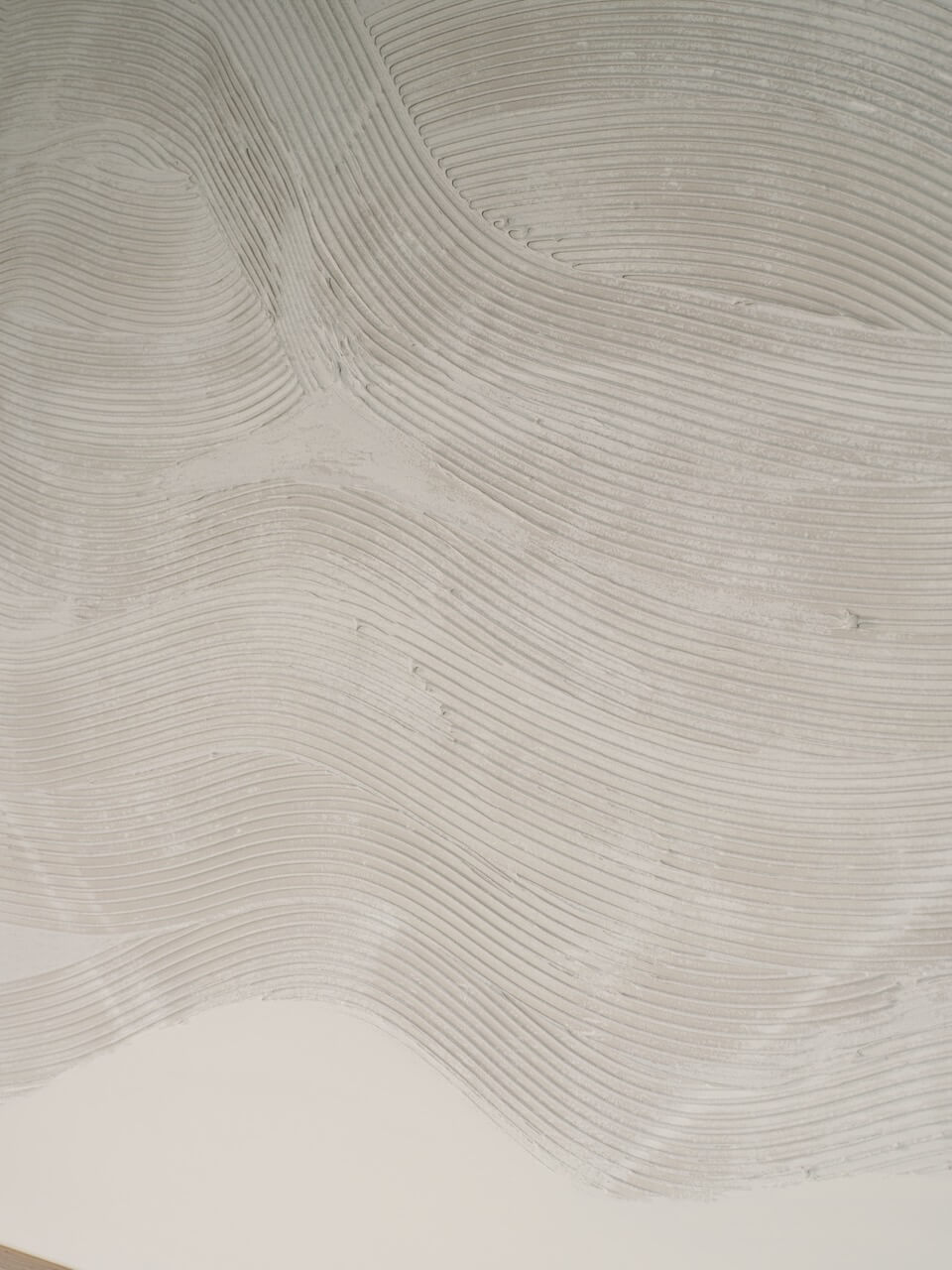
Mar Wall Art
Sale price£395.00

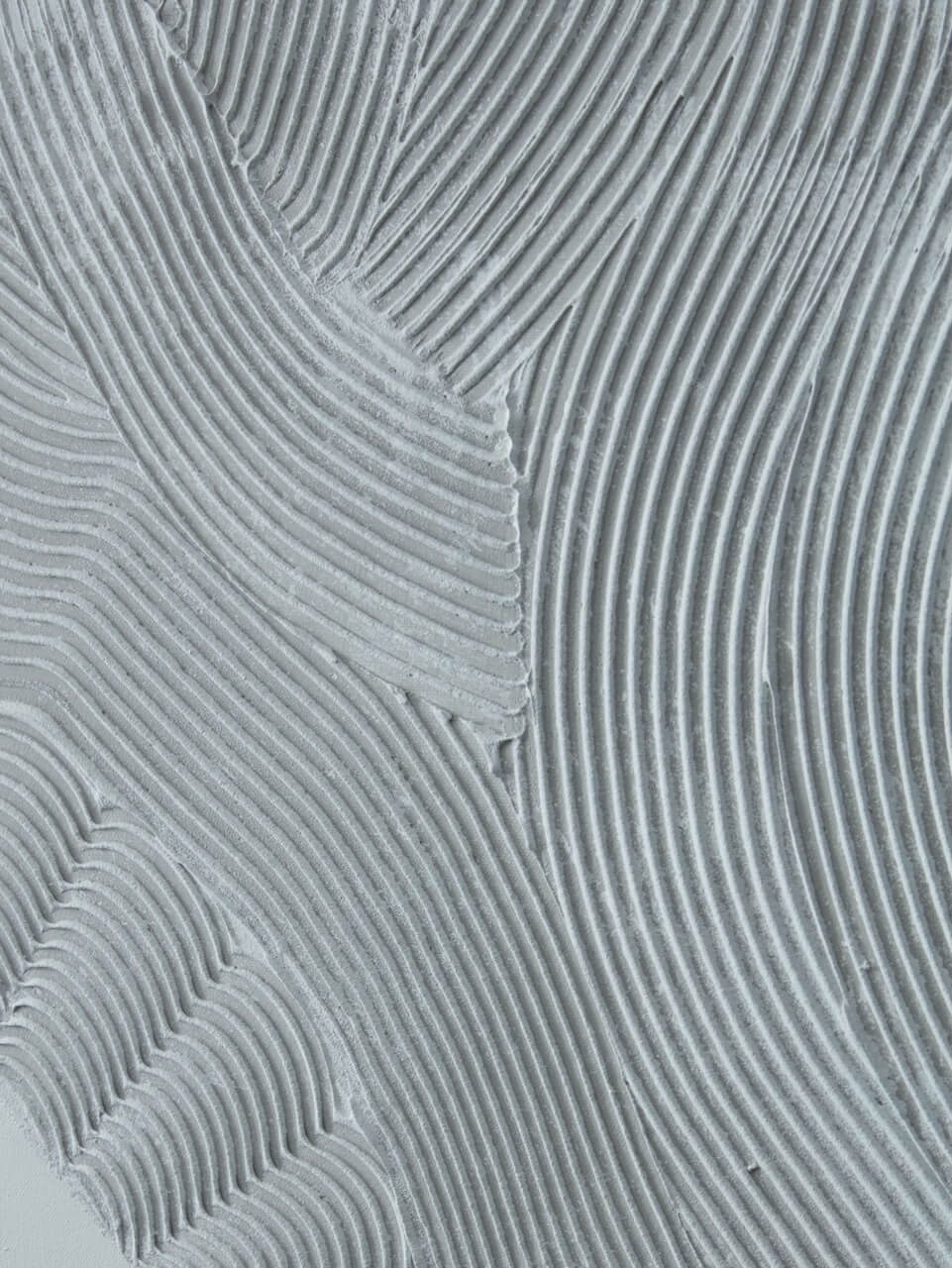
Aceno Wall Art
Sale price£158.00
Regular price£395.00
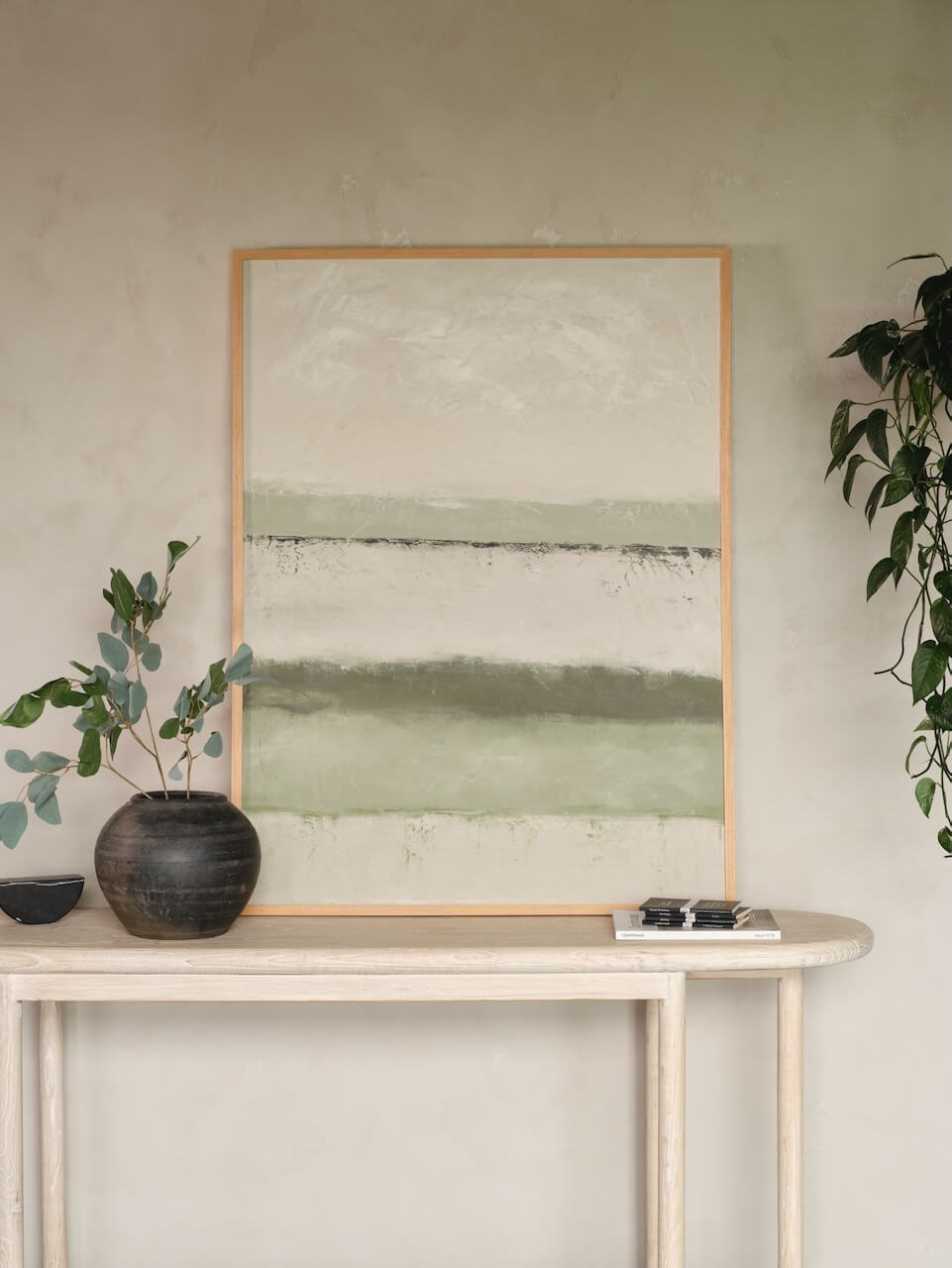
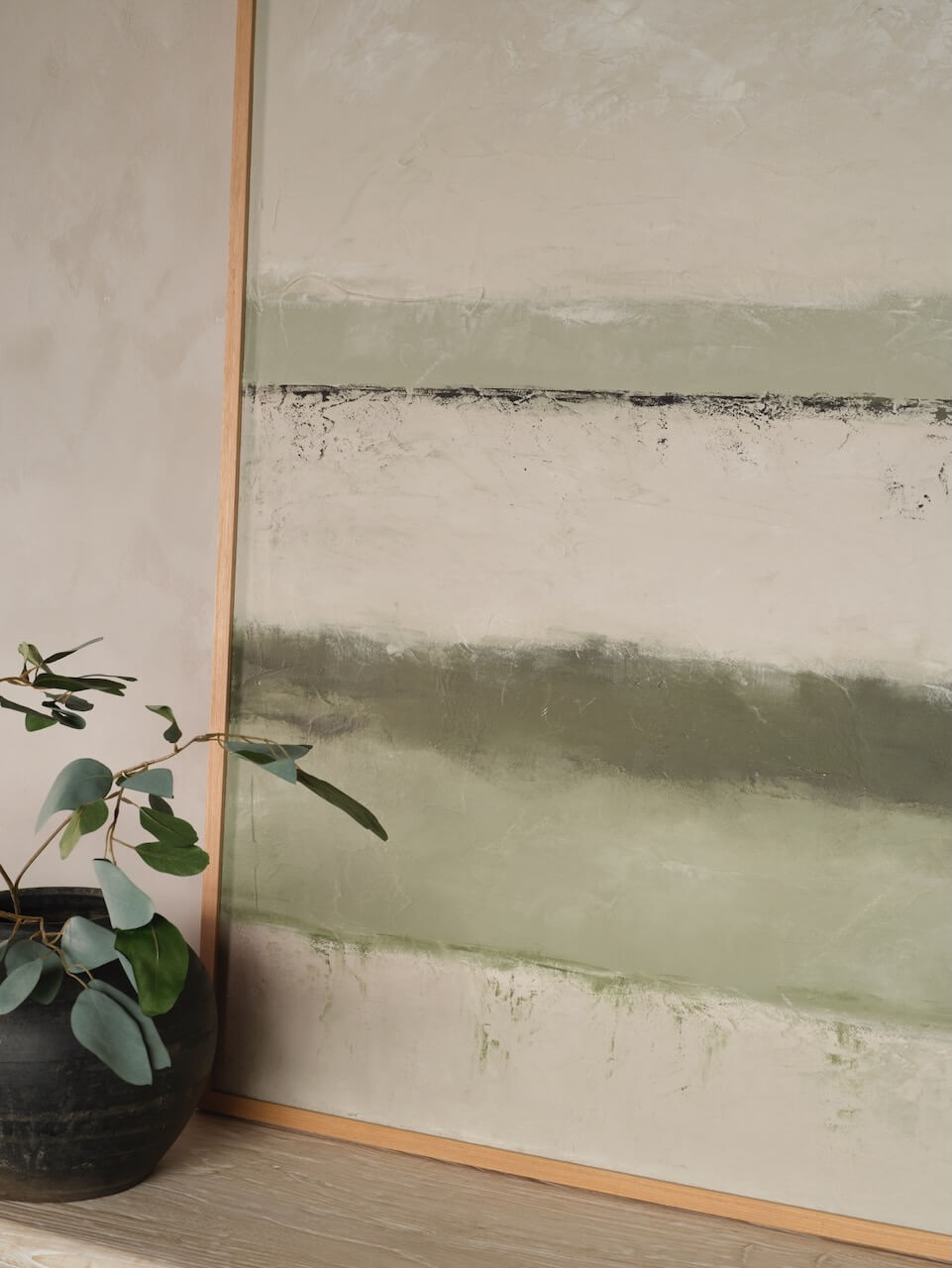
Campos Wall Art
Sale price£430.00

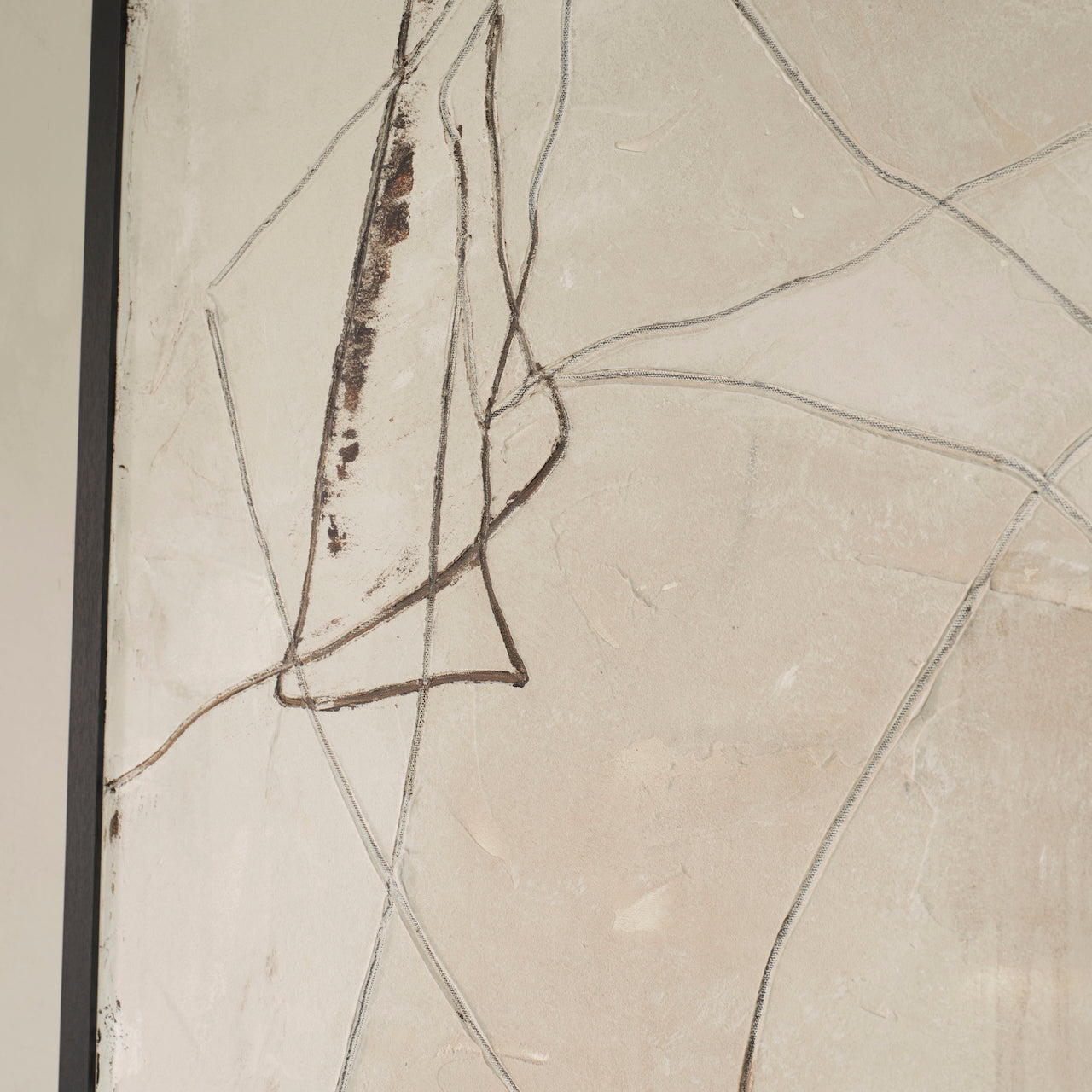
Large Deseno Wall Art
Sale price£585.00
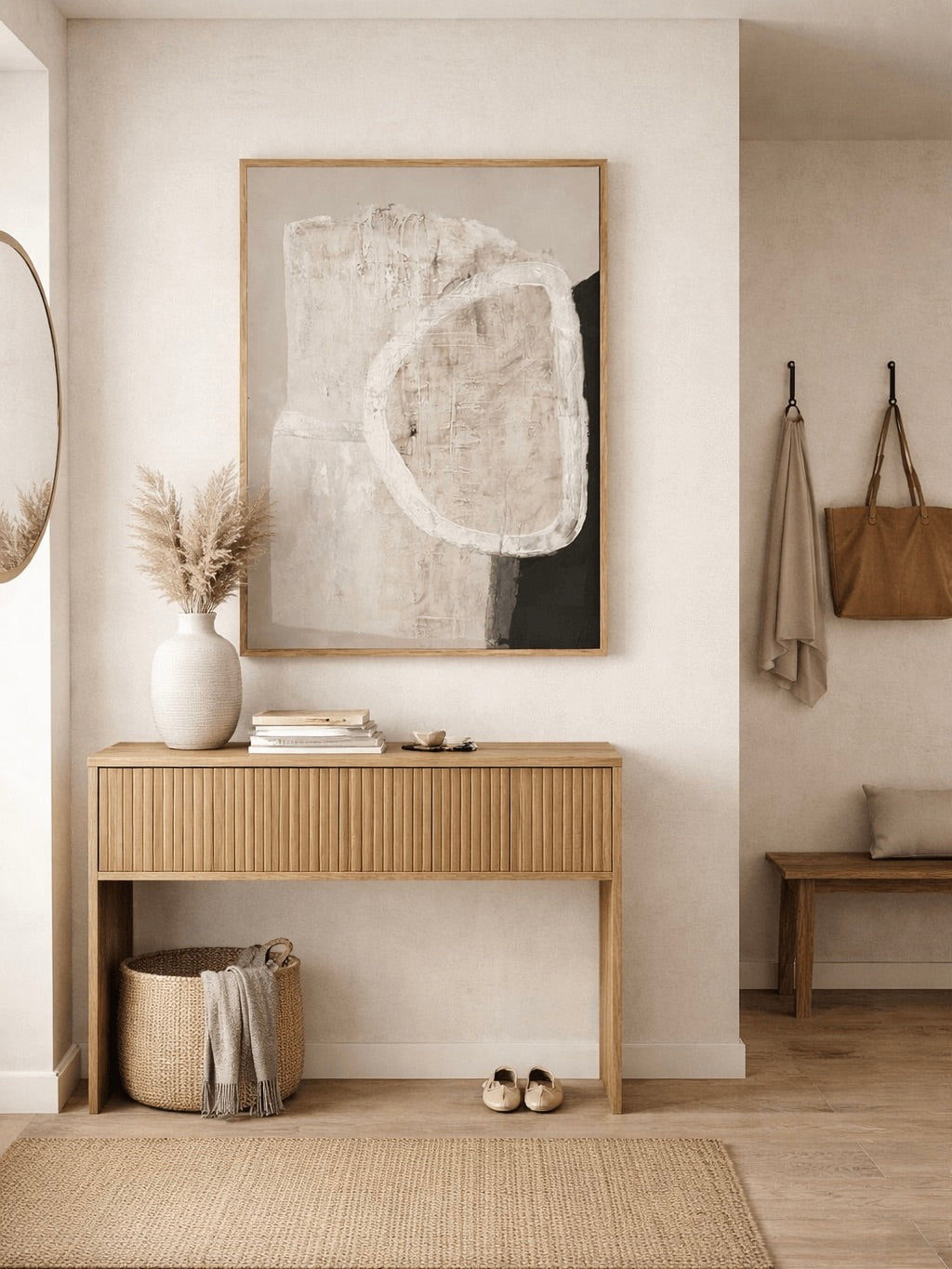
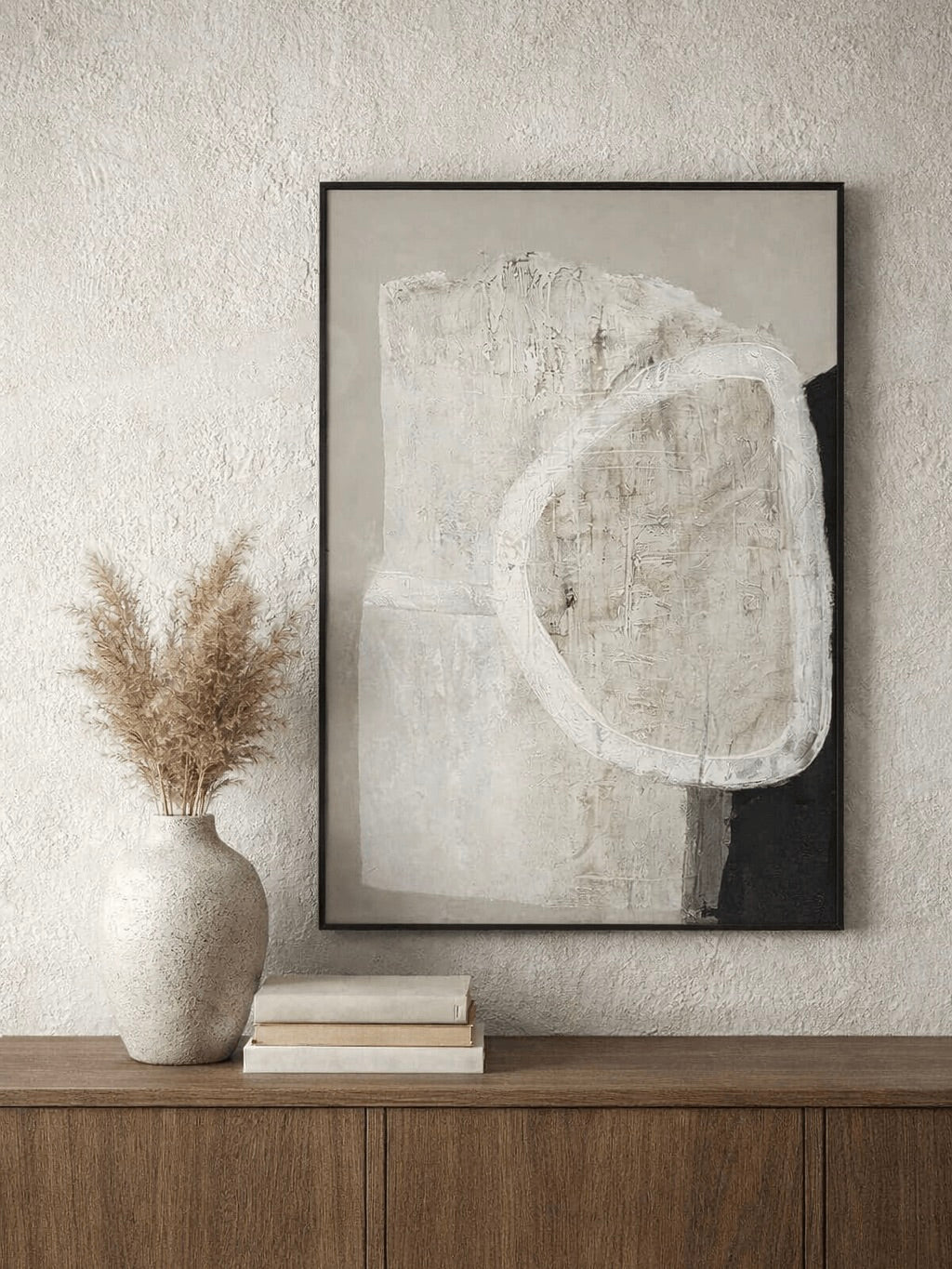
Large Pedra Branca Wall Art
Sale priceFrom £480.00
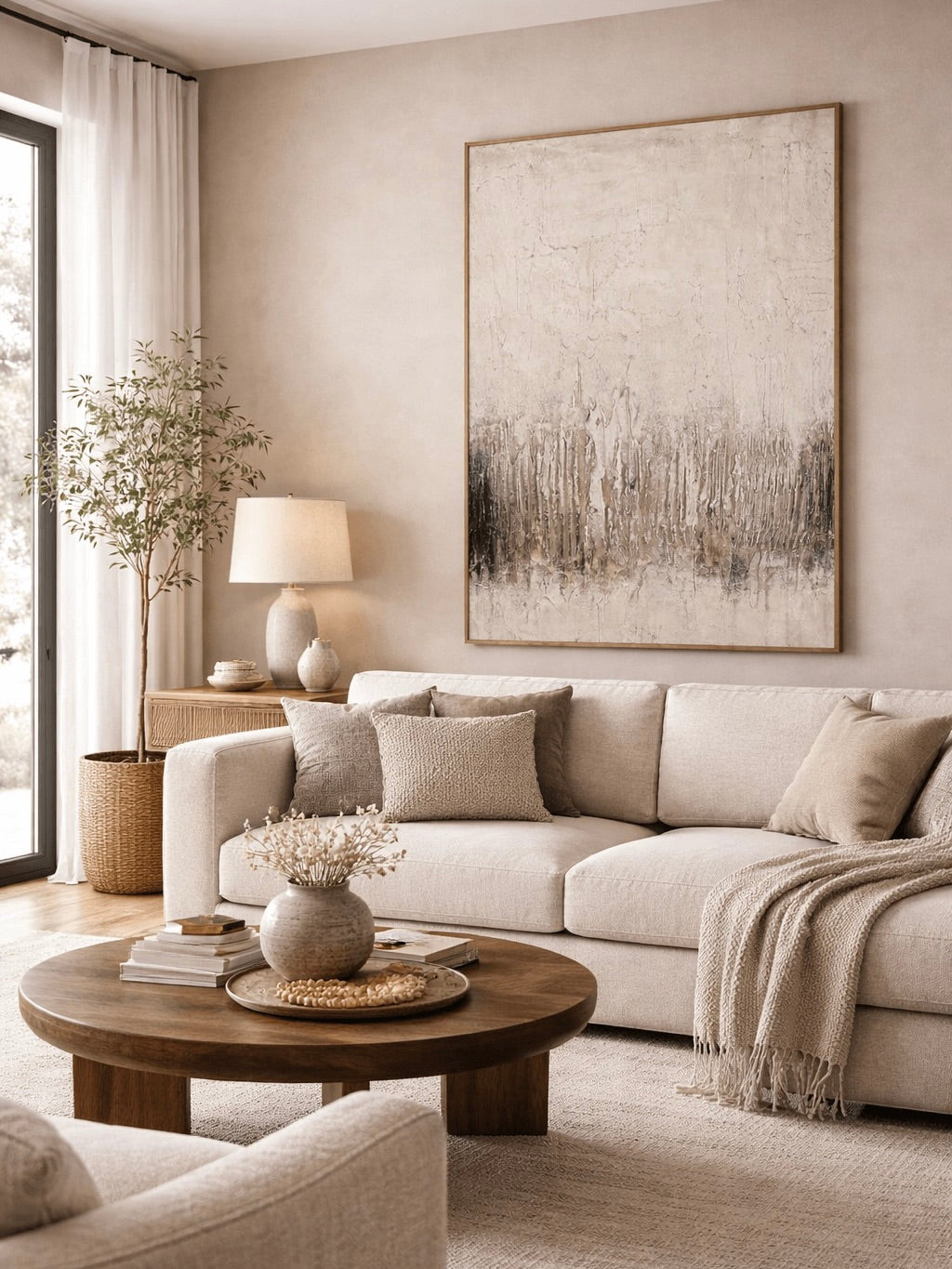

Espelho Wall Art
Sale price£280.00
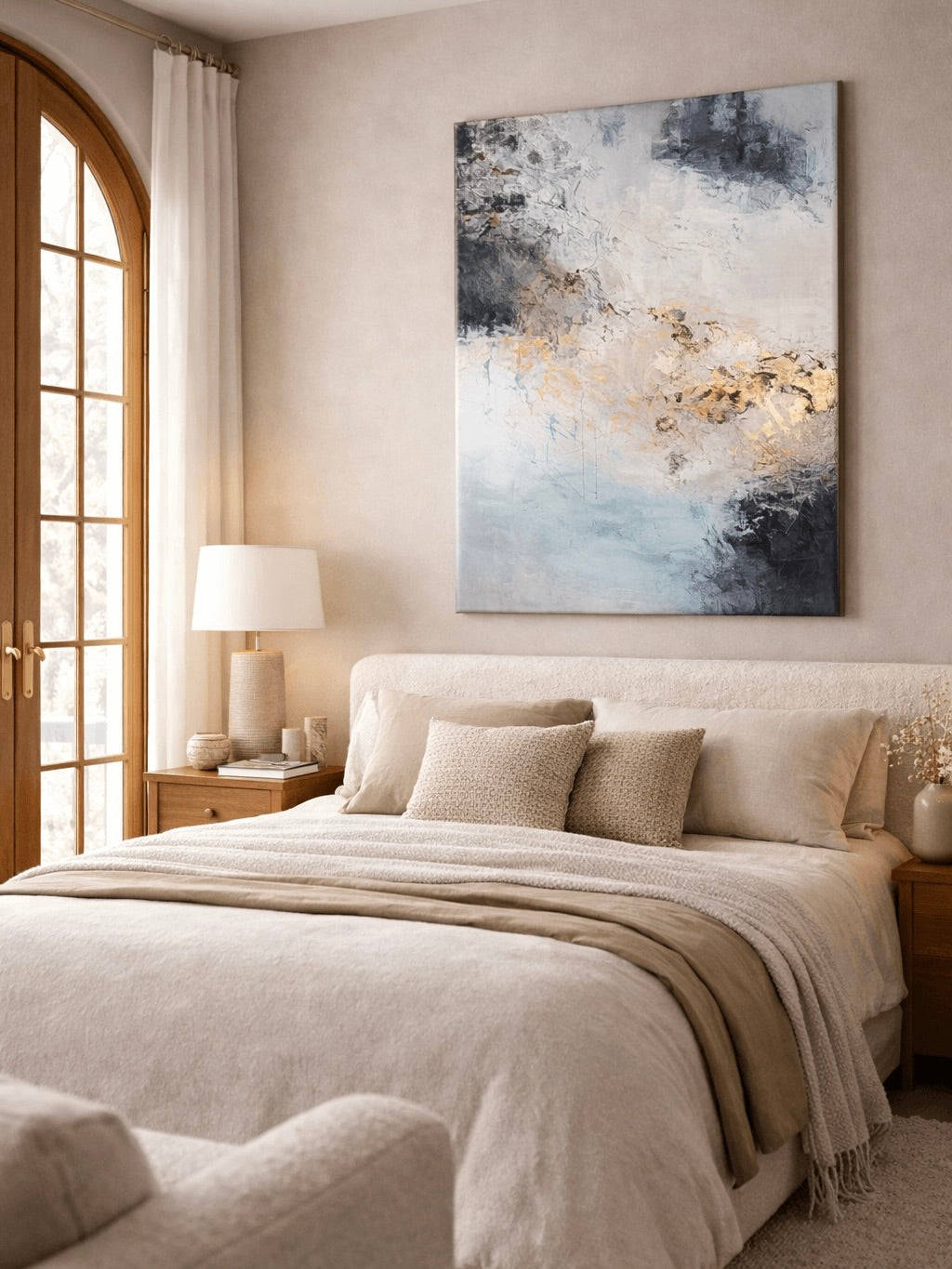

Ouro Wall Art
Sale price£600.00
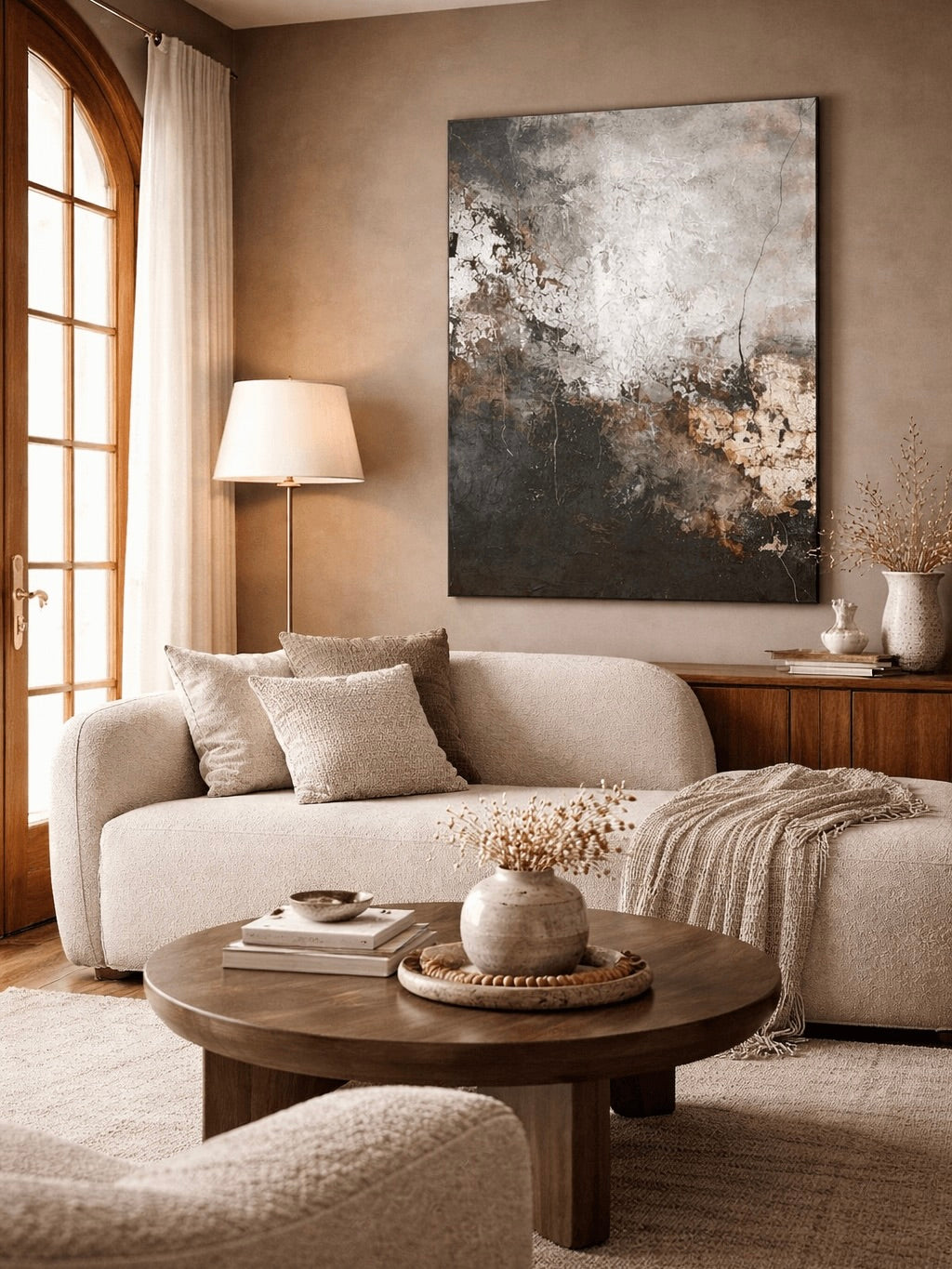
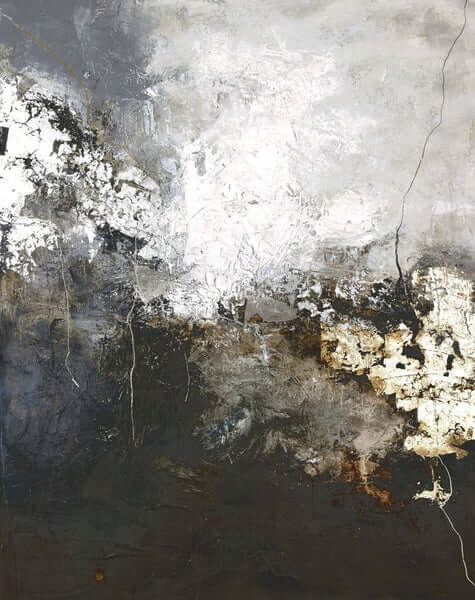
Escura Wall Art
Sale price£600.00
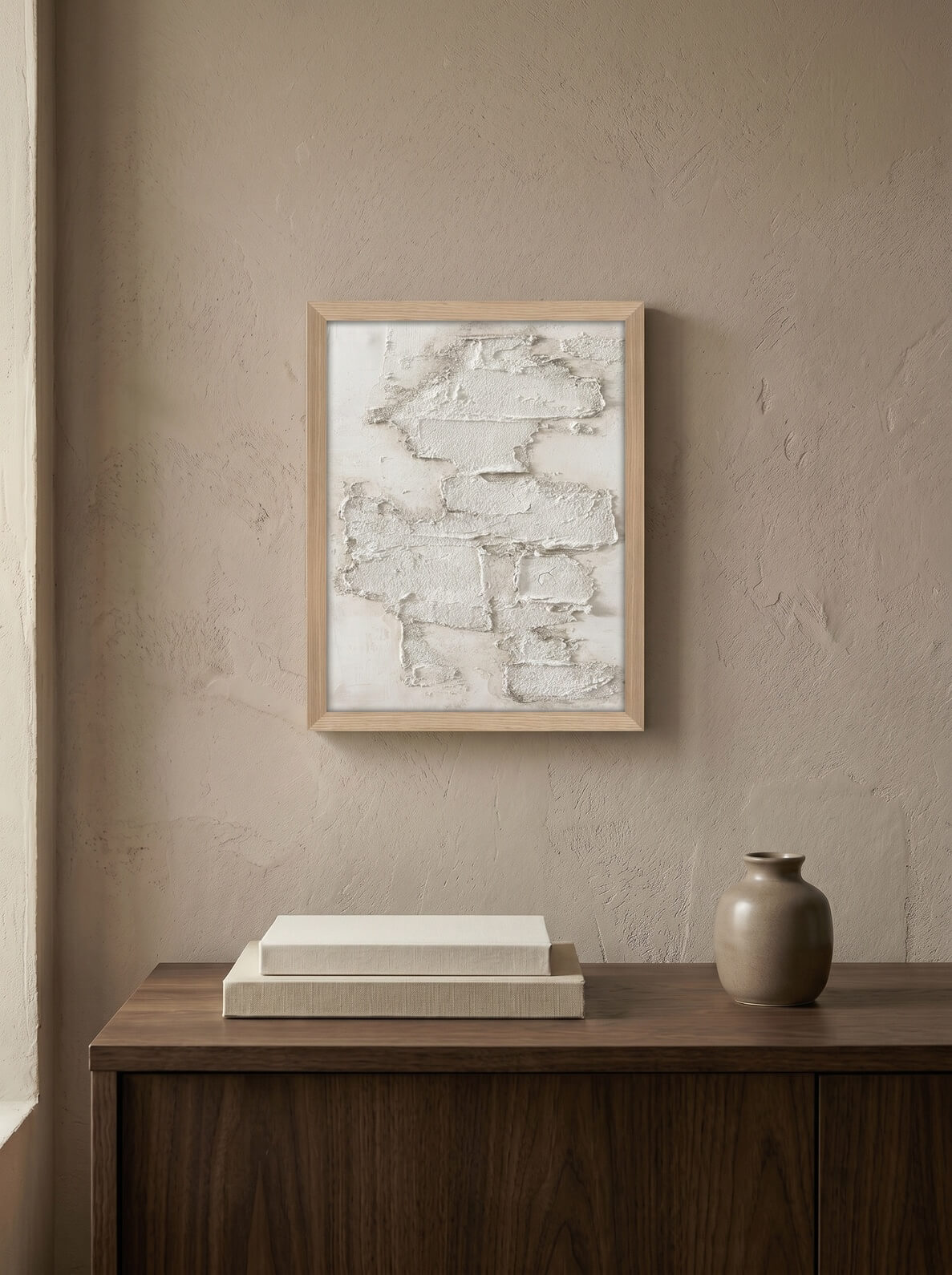
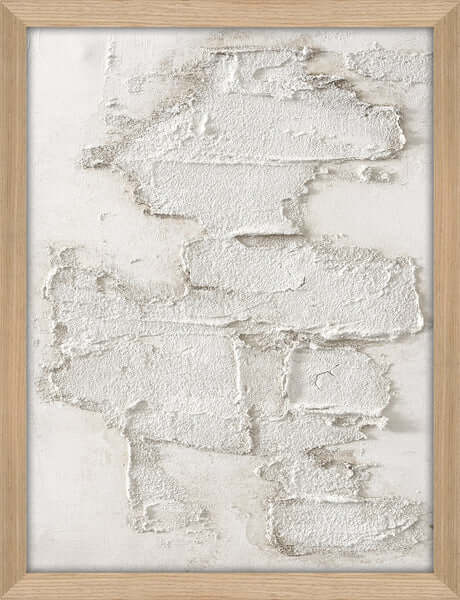
Rocha Branca Wall Art
Sale price£75.00
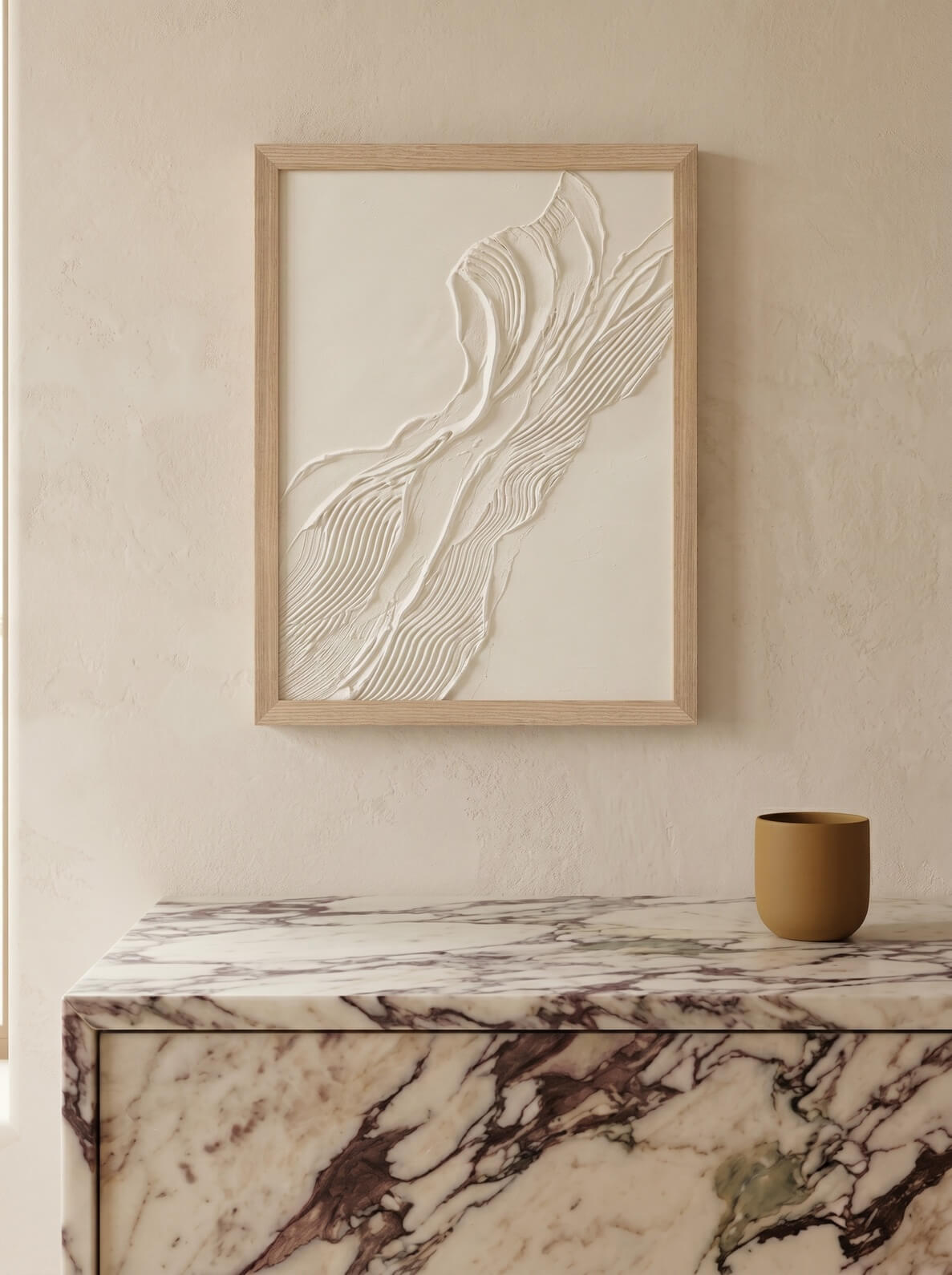

Fita Wall Art
Sale price£75.00
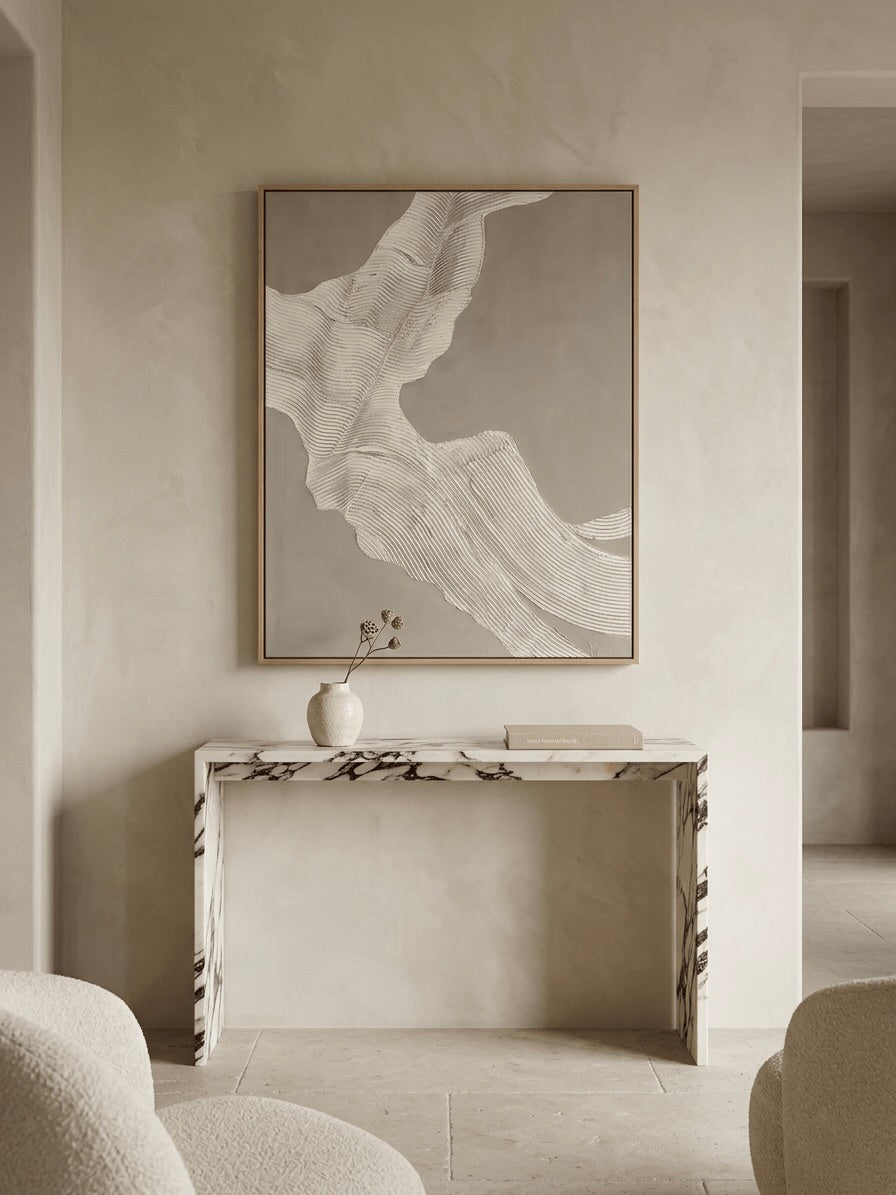
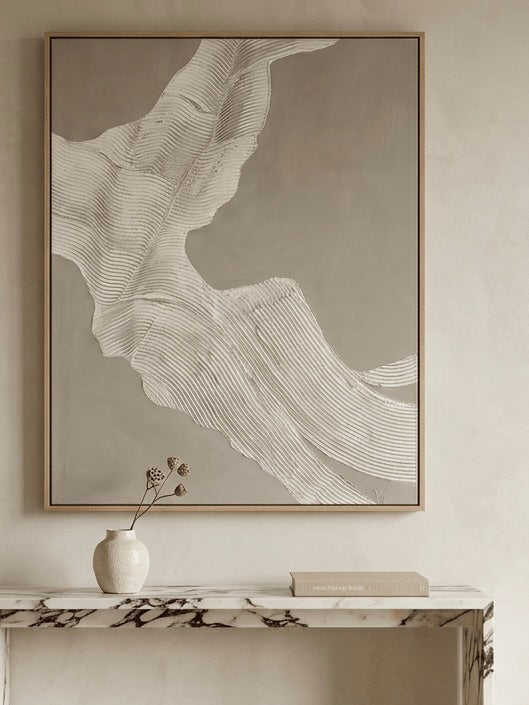
Linhas Wall Art
Sale price£250.00


Conjunto Wall Art
Sale price£575.00
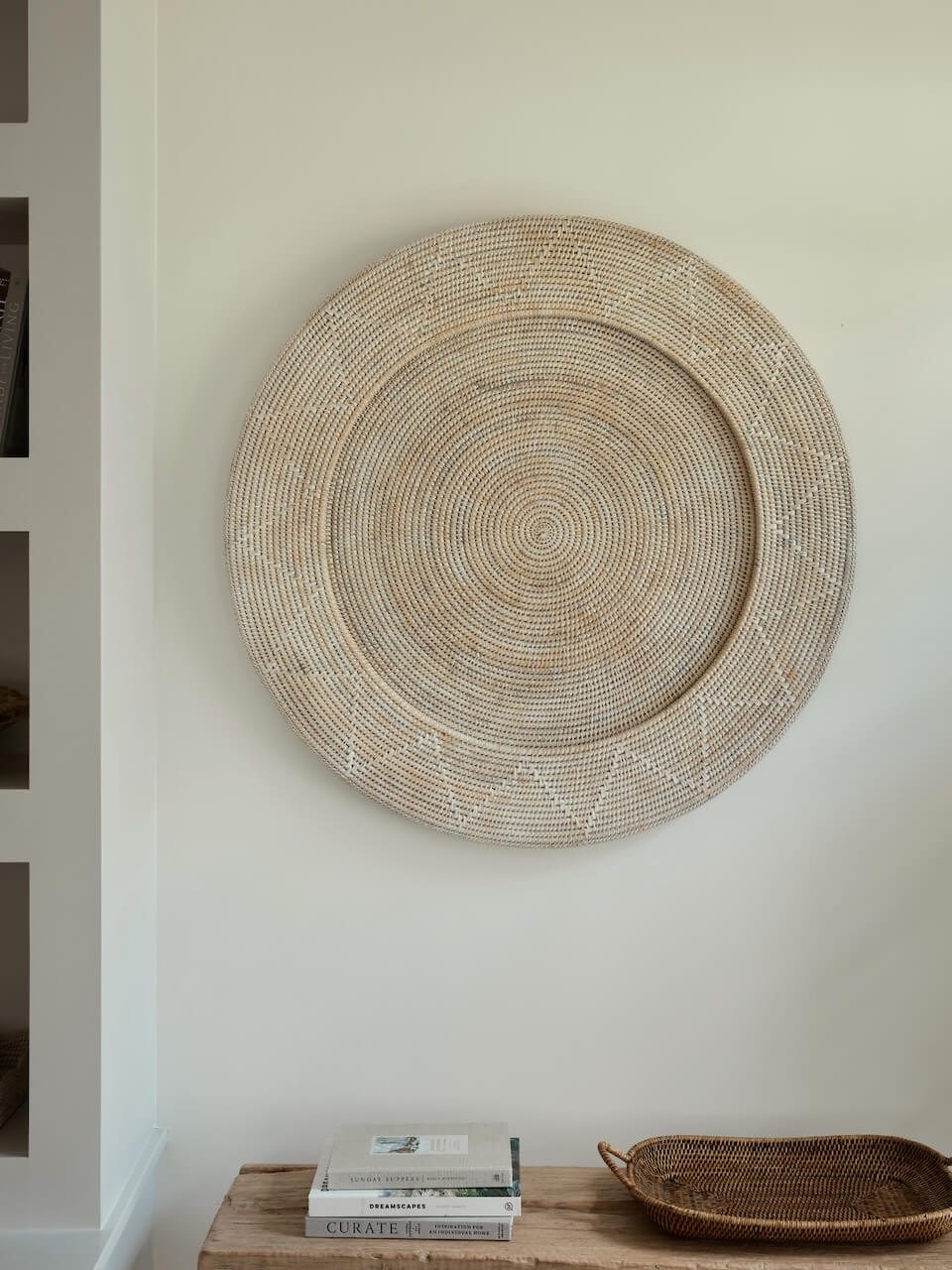
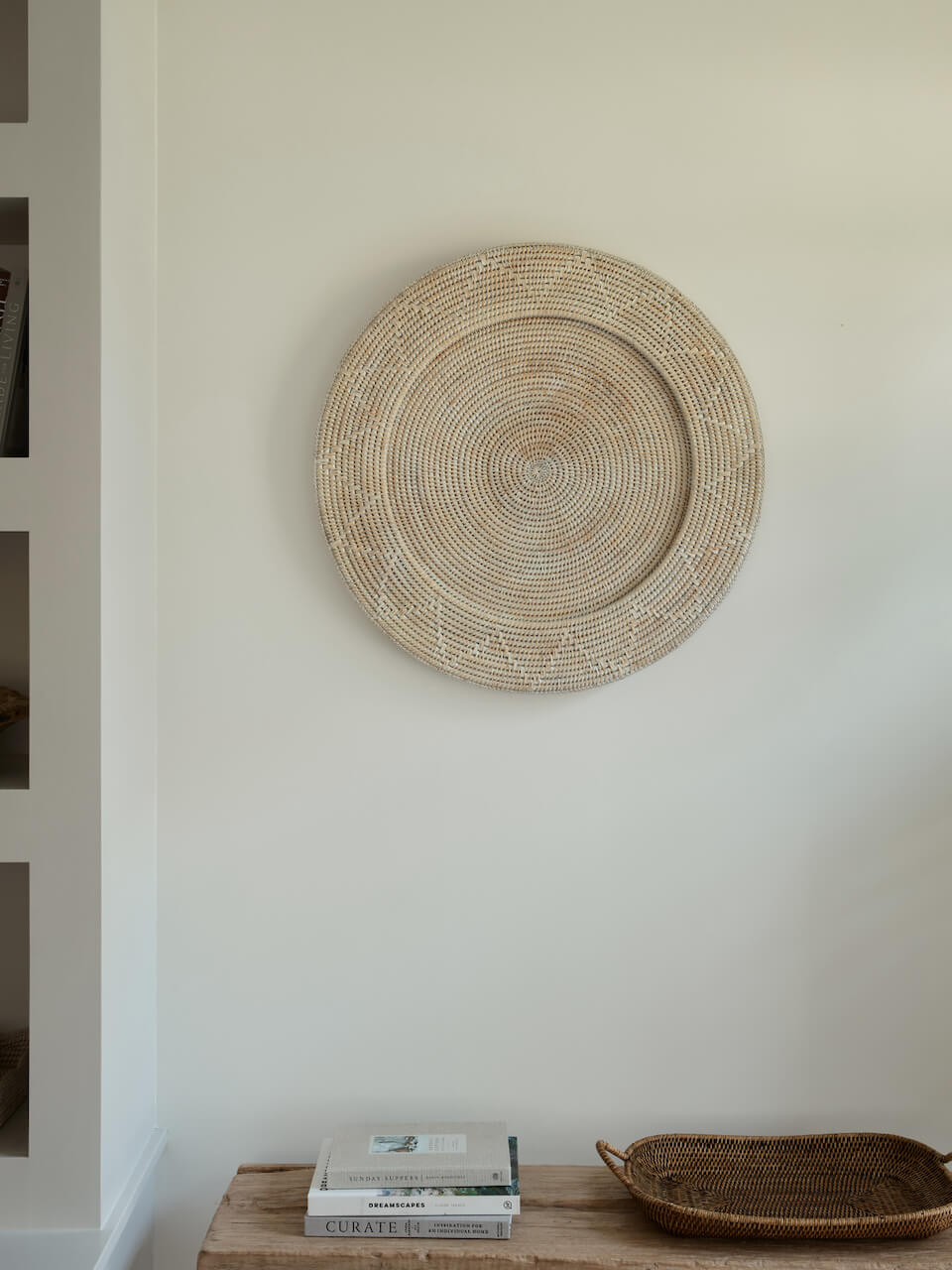
Oban Rattan Patterned Wall Hanging - White
Sale priceFrom £175.00
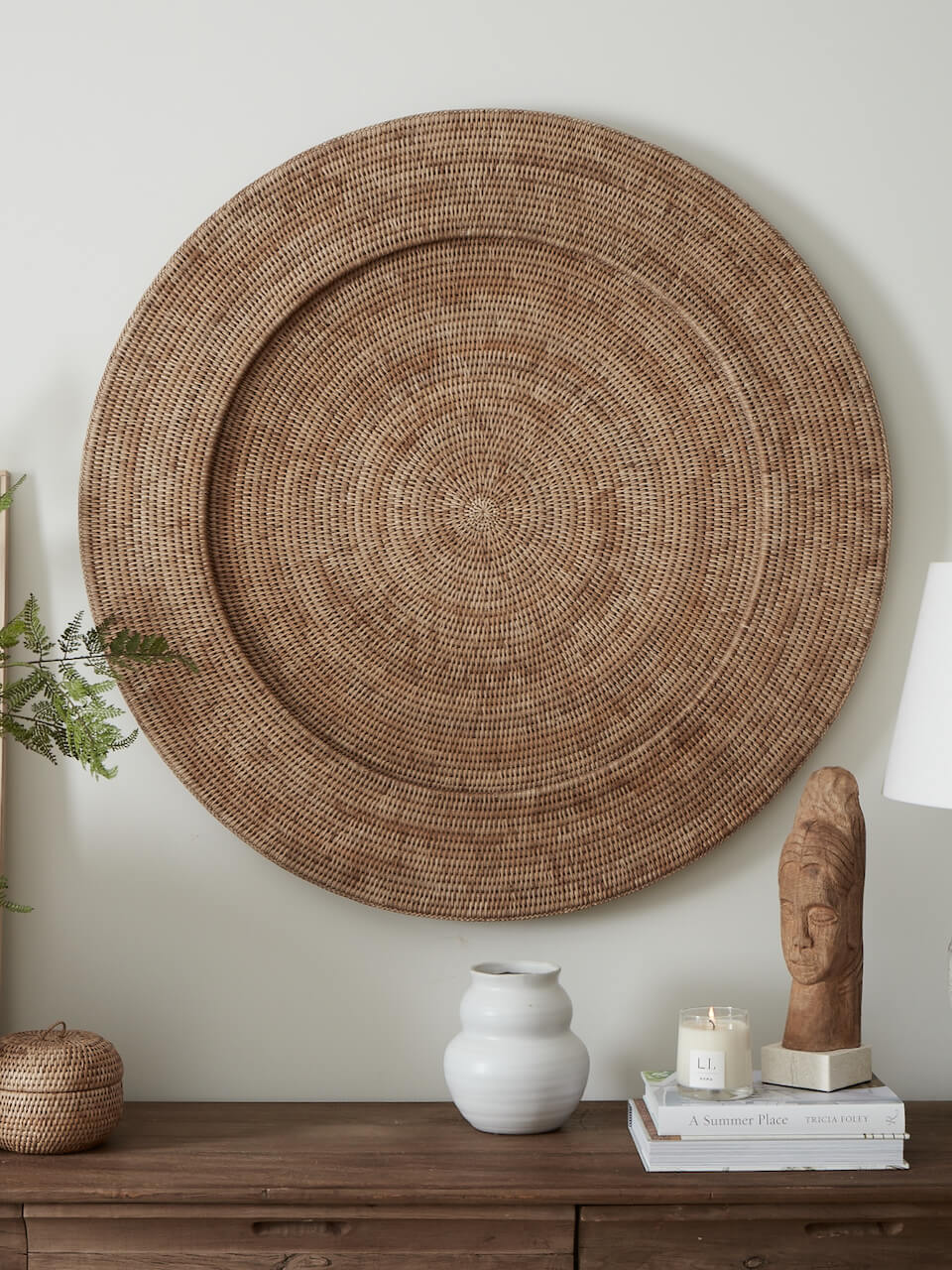
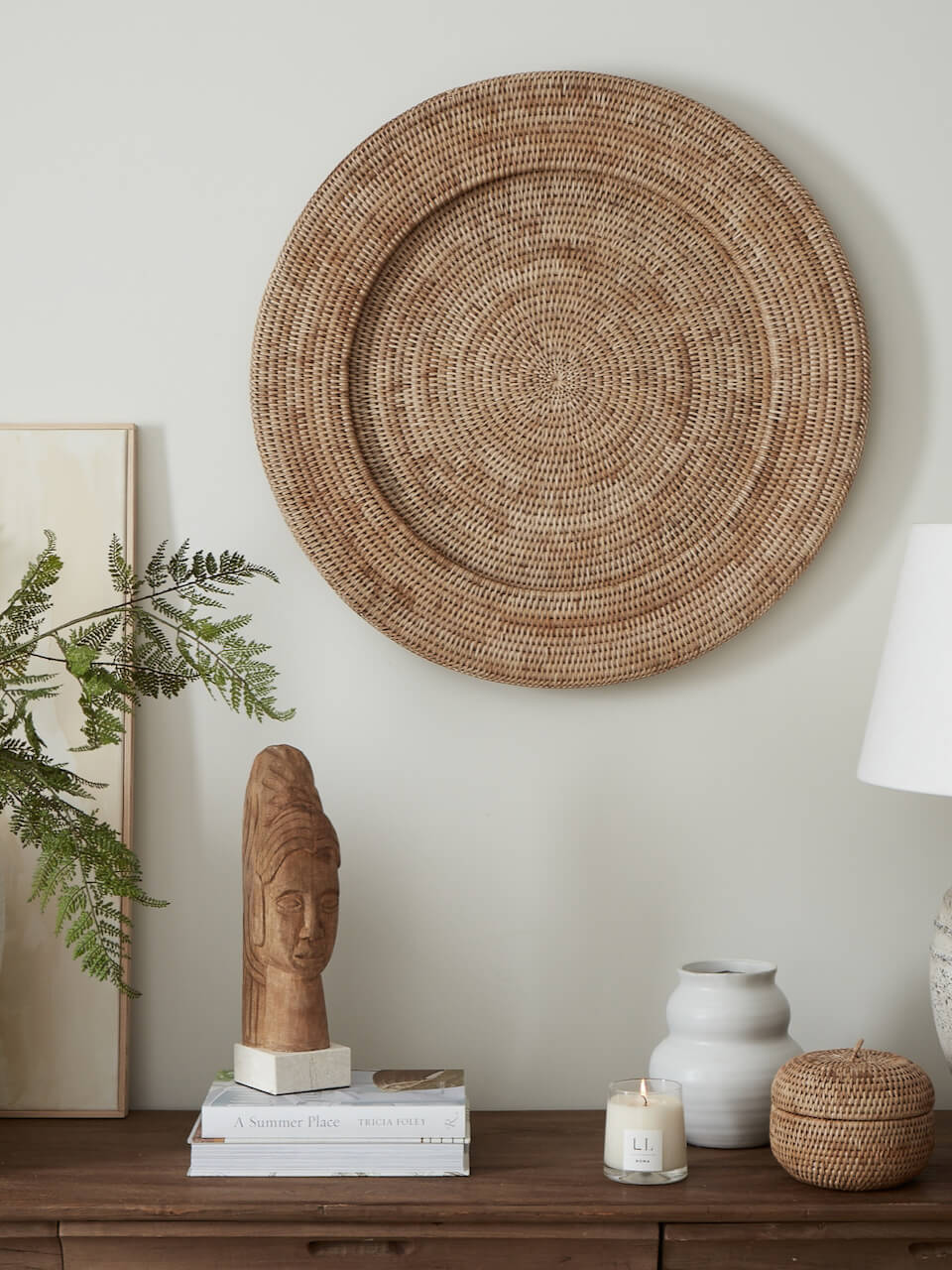
Ratho Rattan Wall Hanging - Natural
Sale priceFrom £175.00
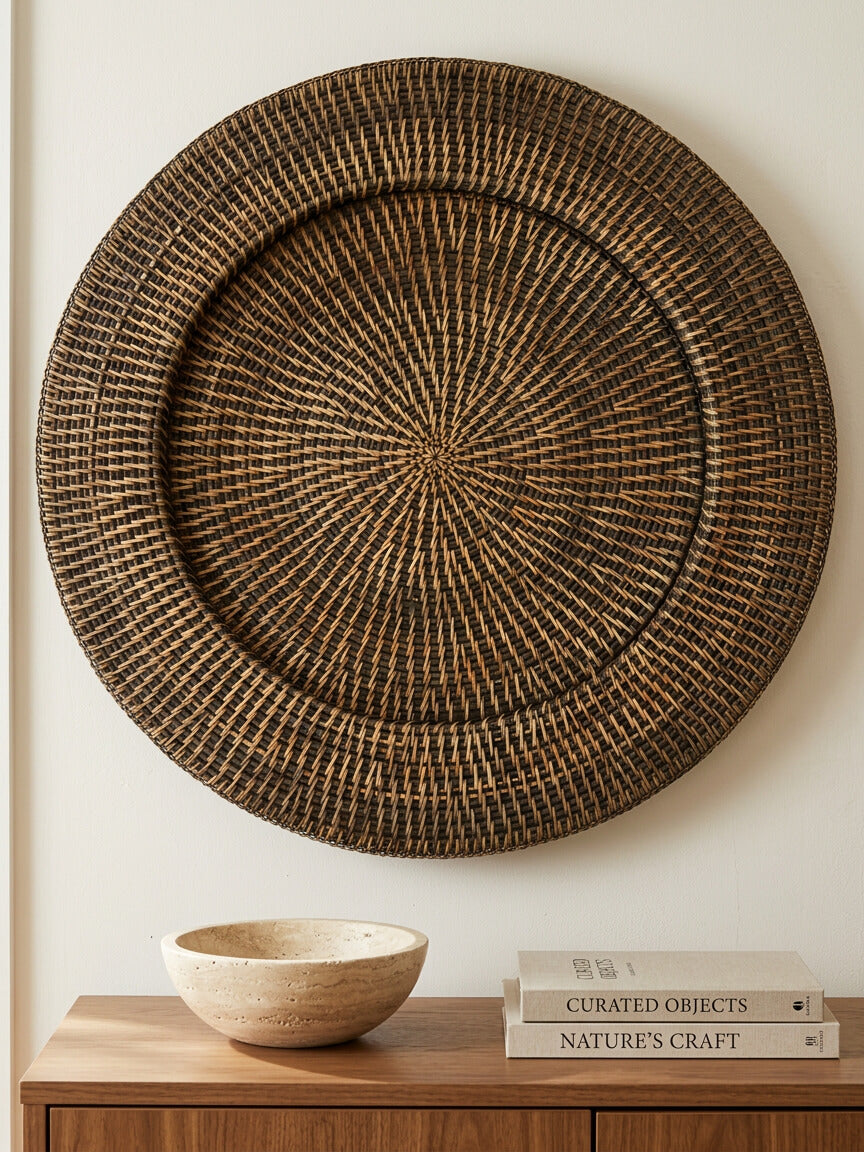
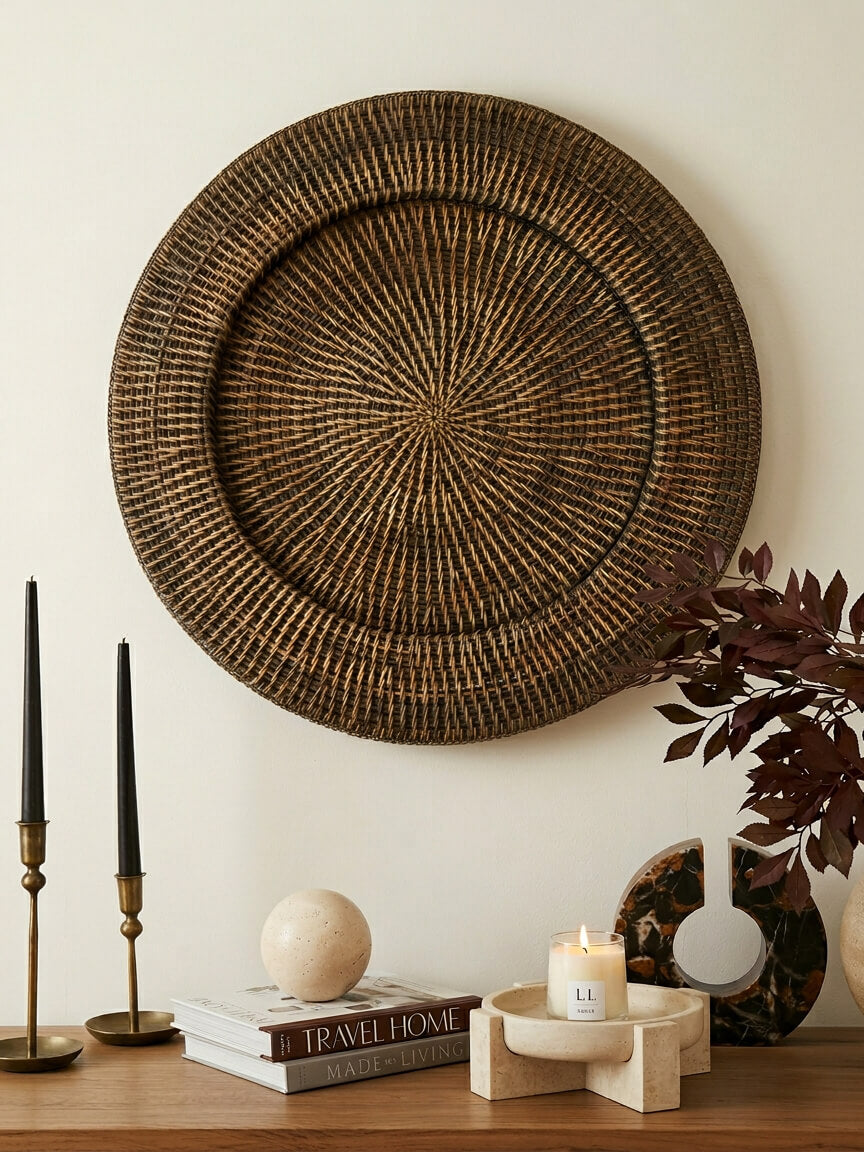
Ratho Rattan Wall Hanging - Antique Brown
Sale priceFrom £175.00
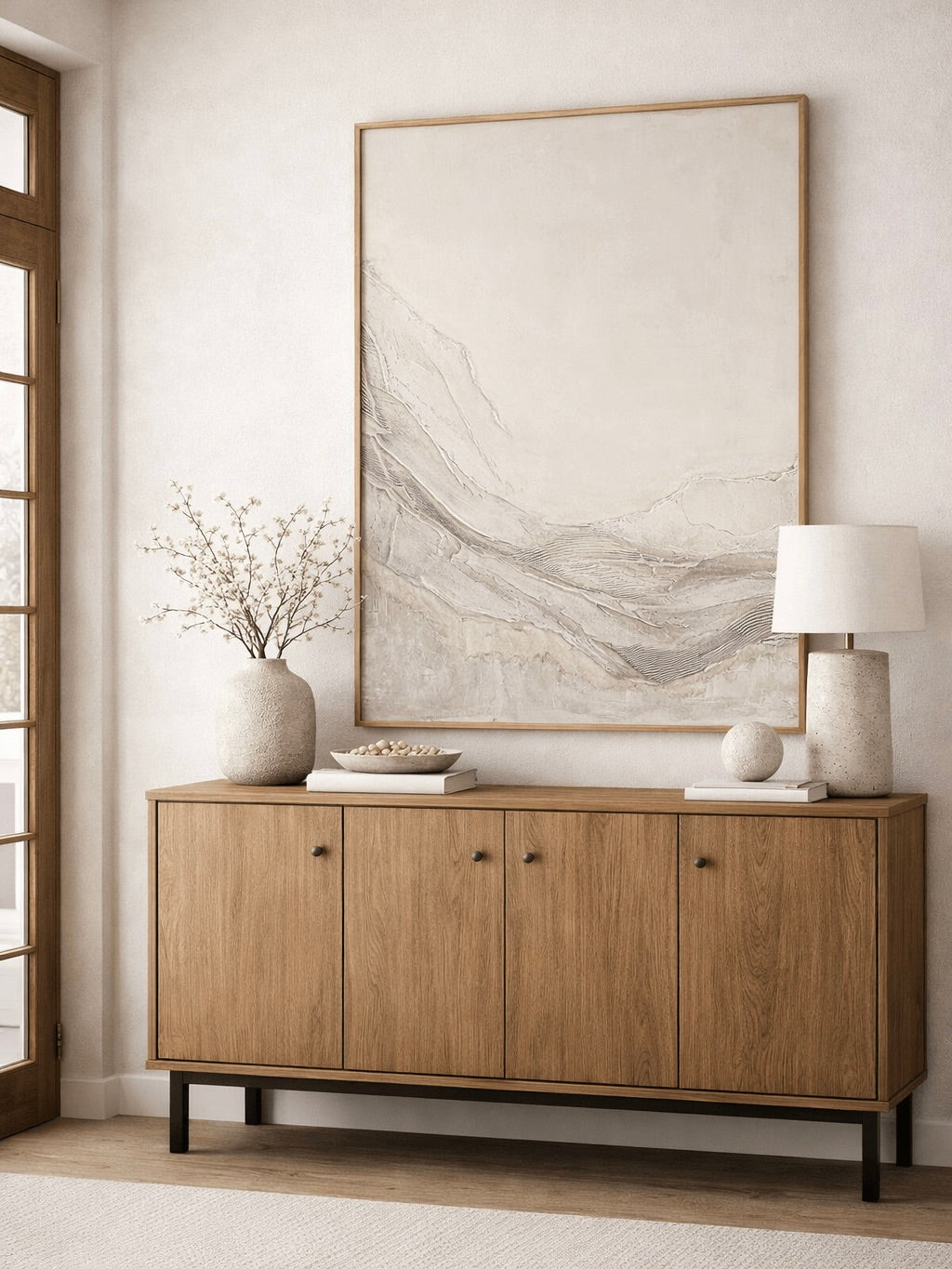
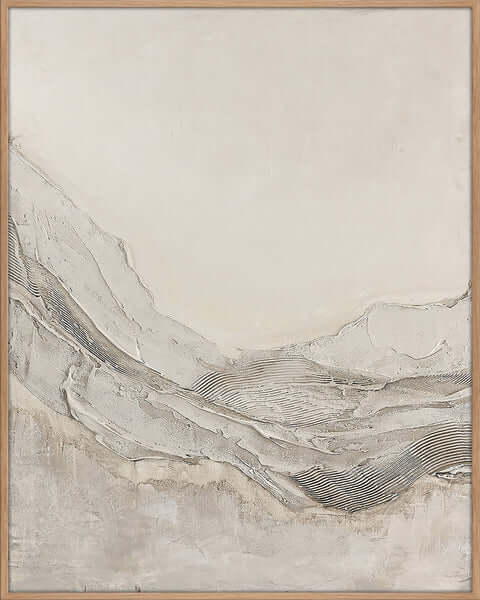
Cena Wall Art
Sale price£300.00


Pedra Branca Wall Art
Sale price£410.00
Collection Guide
Art that Grounds the Room
01 Room for Everyday Living
Let the desired atmosphere guide wall art, instead of choosing the object before understanding the room. In living rooms, bedrooms, hallways and dining spaces, these wall art can set the tone of a room and bring proportion to otherwise empty walls, with enough restraint for the room to remain calm. Before choosing wall art, notice what the room lacks in shape, texture or height and use the new layer to answer that gap. For a Layered Lounge interior, hang at a comfortable viewing height and use paper templates before committing to a multi-piece arrangement. Seen in relation to wall art, a palette of stone, oat, tobacco, chalk, muted olive and warm wood anchors the arrangement and still permits a measured contrast. The aim is visual kinship, not uniformity; wall art can relate to the room without copying every finish. Choose wall art for a clear purpose, then allow proportion and texture to make the decorative statement.
02 Materials Worth Knowing
Assess wall art by looking beyond finish to structure, material behaviour and everyday suitability. Seen in relation to wall art, look closely at material character, proportion, surface finish and how the object holds its own within a wider room; visible and stated details are more useful than promotional language. Seen in relation to wall art, the relevant material story here is stone, glass, textiles, metal, ceramic and natural fibres as specified for each piece. Tonal movement and small surface differences can give wall art its individuality; review the stated material notes so those characteristics are expected. The most enduring wall art combines sound material choices with a scale and function that remain practical. Seen in relation to wall art, care matters too: dust or clean according to the stated material guidance and protect delicate surfaces from moisture, direct heat or abrasion. When purpose, construction and material expression align, wall art is more likely to remain valued beyond its first season.
03 Choosing and Styling Well
To choose wall art, measure the wall and furniture beneath it; a work or group should feel connected to the zone rather than floating above it. The best wall art is not automatically the most ornate; it is the option whose material, measurements and upkeep suit the room. Seen in relation to wall art, for colour, begin with the room’s undertone and use stone, oat, tobacco, chalk, muted olive and warm wood while allowing one deliberate contrast. Styling is strongest when you hang at a comfortable viewing height and use paper templates before committing to a multi-piece arrangement. Natural pairings come from console tables, lighting, vases and decorative objects, to extend the palette without duplicating every element. A final check of size, care and long-range proportion helps prevent wall art from feeling right online but unresolved in the room. Use the related links to extend the idea around wall art, choosing the next piece for connection rather than simple coordination.
Frequently asked questions
Questions about the collection
What is included in the Wall Art collection?
Wall art can set the tone of a room and bring proportion to otherwise empty walls. Availability can change as the collection is updated, so the products currently shown on the page are the best guide to what is included.
How do I choose wall art?
Start with the gap the room needs to solve—height, softness, colour, texture or a focal point—then choose a piece whose scale works with the surrounding furniture. Fewer well-proportioned layers usually feel calmer than many small additions.
Which materials and finishes should I consider for wall art?
Compare the stated material, finish, dimensions and care notes. Ceramic, glass, metal, textile and natural materials each bring a different texture and level of variation, so use the individual product details as the deciding source.
How should I style wall art?
Build small groups using varied height, shape and texture while keeping the palette connected. Leave some visual space around decorative pieces so their material and silhouette can be appreciated.
Where can I use wall art?
These pieces can add a finishing layer to living rooms, bedrooms, hallways and dining spaces where the product’s size and care requirements suit the setting. Check whether a piece is decorative only or has a functional use before styling it.
How do I care for wall art?
Follow the individual product’s care instructions. Dust gently, handle delicate finishes carefully and avoid water, heat or strong cleaning products unless the product guidance specifically permits them.
What should I check before buying wall art?
Check scale, weight, material, finish and intended use, then compare those details with the surface or wall where the piece will be placed. For wall art or hanging decor, confirm fixing requirements separately.